
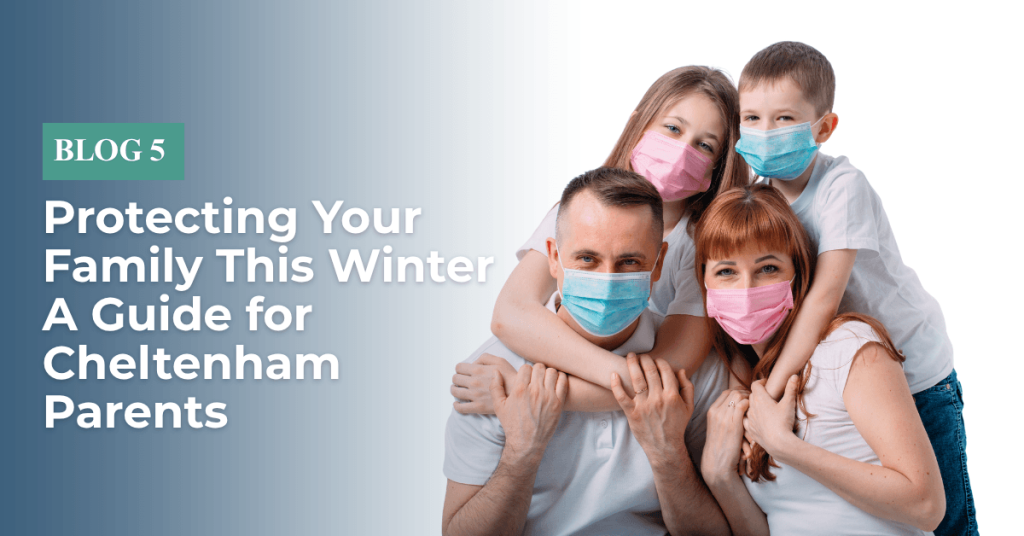
Winter in Cheltenham hits differently when you’ve got little ones at home. One sneezing child on a Monday can turn into a whole household down by the weekend. The good news? There are practical steps Bayside families can take to get ahead of flu season before it gets ahead of you.
Why Are Young Children So Susceptible to Winter Illness?
Young children spend hours in close contact with each other at playgrounds, sporting clubs, community activities, and birthday parties. All the wonderful, germy realities of childhood in a busy suburb like Cheltenham.
Young children’s immune systems are also still developing, which means their bodies have fewer defences against new viruses they haven’t encountered before. Children under 5, and particularly those under 2, are considered at higher risk of flu-related complications compared to healthy adults.
What Complications Can the Flu Cause in Young Children?
Most healthy children will recover from influenza without serious complications. However, in some cases, particularly in younger children, influenza can lead to secondary complications including pneumonia, ear infections, croup, and dehydration. In rare cases, young children can experience febrile seizures associated with high fever.
Symptoms in children that warrant a GP visit include:
- A high or persistent fever (38°C or above)
- Rapid or laboured breathing
- Significant lethargy or unusual drowsiness
- Not drinking fluids or showing signs of dehydration
- Ear pain
- Symptoms that initially improve and then suddenly worsen
If your child displays any of these symptoms, please see your GP promptly. If symptoms are severe or your child seems very unwell, seek urgent medical attention.
Is the Flu Vaccine Available for Children in Cheltenham?
Yes, and this is one of the most important things for local Bayside families to know.
Children aged 6 months to under 5 years are eligible for a free flu vaccine under Australia’s National Immunisation Program (NIP) in Victoria. Given this age group’s higher risk of complications, it’s a conversation worth having with your GP each year before winter arrives.
Children aged 5 to 17 years are not currently covered under the NIP unless they have a qualifying medical condition. The flu vaccine is available for this age group through your GP. Speak with your doctor about whether vaccination is appropriate for your child.
Flu vaccine appointments at BAYMED are bulk billed, meaning no out-of-pocket cost to you for your flu vaccination. Contact our reception team to find out more.
My Child Has Never Had the Flu Vaccine Before. What Do I Need to Know?
If your child is aged 6 months to under 9 years and is receiving the flu vaccine for the first time, they will likely require two doses, given approximately 4 weeks apart. This two-dose schedule is recommended to ensure an adequate immune response.
Timing matters here. If the first dose is given in late May, the second dose won’t be completed until late June, right in the middle of peak flu season. We recommend booking your child’s first dose in March or April to allow time for both doses before the season peaks.
From the second year onwards, one dose per season is generally all that’s needed. Your GP can confirm what’s right for your child.
Should Parents and Other Household Members Get the Flu Vaccine Too?
Vaccinating adults in the household is one of the most practical steps you can take to help protect your children, particularly very young ones or family members with health conditions.
When adults in the household are vaccinated, there’s less opportunity for the flu virus to enter the home in the first place. This approach is sometimes referred to as “cocooning,” building a protective layer around your most vulnerable family members by vaccinating those closest to them.
What About the Flu Vaccine During Pregnancy?
If you’re expecting, the flu vaccine is recommended during pregnancy at any trimester. It can help protect both you and your newborn in the early months of life, which is important because babies under 6 months are too young to receive the flu vaccine themselves.
Speak with your GP or obstetrician about the right time to be vaccinated during your pregnancy.
Beyond Vaccination. What Else Can Cheltenham Families Do This Winter?
The flu vaccine is a key tool, but everyday habits make a real difference too.
Regular handwashing is one of the most effective ways to reduce the spread of respiratory illness, especially after returning from community activities, public transport, or shared spaces across the Bayside area.
Teaching kids to cough and sneeze into their elbow rather than their hands is a simple habit that can meaningfully reduce virus spread at home and in the community.
Keeping unwell children home from group activities and playdates is inconvenient, but it helps protect other children and adults in your community, including those who may be more vulnerable to serious illness.
Consistent sleep and a balanced diet support immune function throughout winter. These basics contribute to overall family health and resilience during the colder months.
When Should I Take My Child to the GP vs. Managing at Home?
It can be genuinely hard to judge whether a sick child needs a doctor or just needs rest, fluids, and some couch time. Here are some practical indicators that a GP visit is the right move:
- Fever is high (38°C or above) or has lasted more than 2 to 3 days
- Your child is breathing rapidly or with difficulty
- Your child seems very unwell, lethargic, or difficult to rouse
- An infant under 3 months has any fever at all
- Symptoms seem to be getting worse rather than better
- You’re unsure or concerned
Trust your instincts as a parent. If something doesn’t feel right, it’s always better to have it checked.
At BAYMED, we also offer telehealth consultations for patients who have attended our clinic in the past 12 months. This can be a practical option when your child is unwell and you’d prefer not to bring them into the clinic unless necessary.
Is It Worth Checking My Child’s Full Vaccination Schedule While I’m There?
Absolutely. A flu vaccine appointment is also a great opportunity to make sure your child’s routine immunisation schedule is up to date.
If you’re unsure about what vaccinations your child has had, bring their immunisation history record or ask our team to check via the Australian Immunisation Register. Our GPs can identify any catch-ups that may be needed and advise on what’s coming up, all in the one appointment.
How Do I Book a Flu Vaccine for My Child in Cheltenham?
Booking is easy. You can book online 24/7 through HotDoc, call our reception team during clinic hours, or visit us in person at Level 1 / 284 Bay Road, Cheltenham.
We’re open 7 days a week. Monday to Friday 8:30am to 4:30pm and Saturday to Sunday 8:30am to 2:30pm, making it genuinely convenient for busy Bayside families to fit an appointment into the week.
Frequently Asked Questions
Can my child get the flu vaccine for free in Victoria?
Children aged 6 months to under 5 years are eligible for a free flu vaccine under the National Immunisation Program in Victoria. Children outside this age range with certain medical conditions may also be eligible. Speak with your GP to confirm.
My child has never had the flu vaccine. Do they need two doses?
Children under 9 years receiving the flu vaccine for the first time typically require two doses, given about 4 weeks apart. Starting early in the season, March or April, is important to allow time for both doses before peak flu activity.
Can I get the flu vaccine while breastfeeding?
Yes. The flu vaccine is considered safe while breastfeeding and is recommended. Speak with your GP for personalised advice.
What is the difference between the flu and a cold in children?
The flu typically has a more sudden onset, higher fever, more significant fatigue and body aches, and makes children feel considerably more unwell than a common cold. See our related blog: Flu vs Cold: How to Tell the Difference.
My elderly parent lives with us. How do we protect them over winter?
Adults aged 65 and over are eligible for a free flu vaccine under the NIP and may be eligible for an enhanced vaccine formulated specifically for older adults. Ensuring all eligible household members are vaccinated, practising regular handwashing, and staying home when unwell all help protect more vulnerable household members. Speak with your GP for tailored advice.
Are flu vaccine appointments bulk billed at BAYMED?
Yes. Flu vaccine appointments at BAYMED are bulk billed, so there’s no out-of-pocket cost to you for your flu vaccination. Call our reception team or book online for more information.
References
- Australian Government Department of Health, Disability and Ageing. Influenza (flu) vaccine. https://www.health.gov.au/topics/immunisation/vaccines/influenza-flu-vaccine (Updated 2025)
- Australian Immunisation Handbook. Influenza (flu). https://immunisationhandbook.health.gov.au/contents/vaccine-preventable-diseases/influenza-flu (Updated March 2026)
- Victoria State Government, Department of Health. Seasonal influenza vaccine. https://www.health.vic.gov.au/immunisation/seasonal-influenza-vaccine
- National Centre for Immunisation Research and Surveillance (NCIRS). Influenza vaccines, Frequently Asked Questions. https://ncirs.org.au/influenza/influenza-vaccines-frequently-asked-questions-faqs (Updated March 2026)
- AusVaxSafety. 2025 Australian flu season: Who should get a flu shot, which vaccines are available and what to expect. https://ausvaxsafety.org.au/2025-australian-flu-season-who-should-get-flu-shot-which-vaccines-are-available-and-what-expect (2025)
- Therapeutic Goods Administration (TGA). AIVC Recommendations for the Composition of Influenza Vaccines for Australia. https://www.tga.gov.au/resources/publication/meeting-statements/aivc-recommendations-composition-influenza-vaccines-australia-2025