

Minor Procedures (non-cosmetic) & Iron Infusions
Minor Procedures (non-cosmetic) & Iron Infusions at BayMed Medical Centre & Skin Cancer Clinic
Some problems are best solved right in the clinic—removing a small lesion, managing a wound, or treating iron deficiency with an IV infusion. At BayMed Medical Centre & Skin Cancer Clinic in Cheltenham, our GPs perform a range of non-cosmetic minor procedures and intravenous iron infusions in our treatment room as part of everyday GP care.
We see patients from Cheltenham, Mentone, Highett, Moorabbin, Hampton, Sandringham, Beaumaris and the wider Bayside and south-east Melbourne areas, as well as people who travel from across Victoria for minor procedures and iron infusions at our Cheltenham clinic.
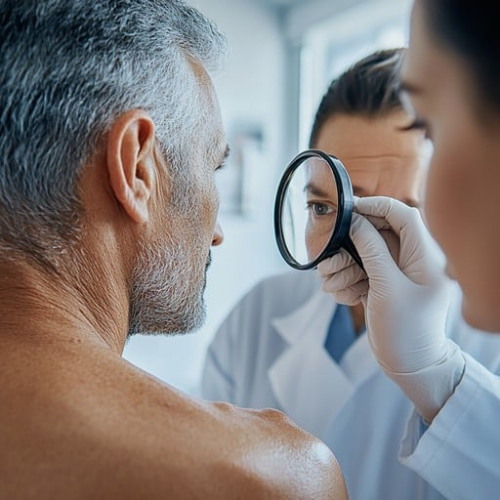
What Do We Mean by “Minor Procedures (non-cosmetic)”
Minor procedures are small interventions that can be safely performed in a clinic setting under local anaesthetic or simple analgesia. At BayMed, these are medically indicated procedures, not cosmetic work.
Depending on your GP’s skills and interests, minor procedures may include:
- Removal or biopsy of certain skin lesions (non-cosmetic)
- Treatment and management of some ingrown toenails
- Drainage of selected simple cysts or abscesses (where appropriate)
- Wound care, suturing and dressing changes
- Some cryotherapy for sun-damaged or benign lesions
- Simple procedures needed as part of chronic disease or injury management
Your GP will assess whether your concern can be treated at BayMed or whether referral to a specialist or hospital is a better option.
(Note: purely cosmetic procedures are not the focus of this service.)
Common Non-cosmetic Minor Procedures at BayMed
Examples of minor procedures that may be provided (depending on clinical need and your GP) include:
Skin Lesion Removal or Biopsy
If a lesion needs closer assessment or removal:
- Your GP may perform a biopsy (removing part or all of the lesion for pathology).
- Some benign or low-risk lesions can be fully removed in the clinic.
Suspicious lesions will be sent for pathology, and further treatment arranged if required.
Ingrown Toenail Management (selected cases)
For certain ingrown toenails, your GP may:
- Assess the nail and surrounding skin
- Offer conservative options (soaks, dressings, footwear advice)
- In some cases, perform a minor surgical procedure under local anaesthetic to remove part of the nail
If the ingrown toenail is complex, recurrent or infected deeply, referral to podiatry or a specialist may be advised.
Simple Cyst or Abscess Treatment (where appropriate)
In carefully selected cases, your GP may:
- Assess a lump or suspected cyst
- Drain a simple abscess or cyst in the clinic, if suitable
- Prescribe antibiotics when needed and arrange follow-up for wound checks
More complex or high-risk infections may be referred for hospital or specialist care
Wound Care & Suturing
For some cuts and minor lacerations, your GP can:
- Clean the wound
- Apply stitches, skin glue or adhesive strips where appropriate
- Arrange follow-up for dressing changes and stitch removal
Deep, heavily contaminated or complex wounds may be better managed in an emergency department or by a surgeon.
Iron Infusions at BayMed
What Is an Iron Infusion?
An intravenous iron infusion delivers iron directly into your bloodstream through a drip in your arm. It is commonly used when:
- You have iron deficiency or iron deficiency anaemia confirmed by blood tests
- Oral iron tablets have not worked, are not tolerated, or are not appropriate
- You need iron levels improved more quickly than tablets can achieve
Your BayMed GP will only recommend an iron infusion after assessing your blood tests, overall health and other options.
When Might an Iron Infusion Be Recommended?
Your GP may suggest an iron infusion if you:
- Are iron deficient and cannot tolerate oral iron due to side effects
- Have been taking iron tablets but your levels are not improving as expected
- Have conditions that affect iron absorption or ongoing blood loss
- Need iron levels optimised in a specific timeframe (for example, prior to certain surgeries or in selected pregnancy-related situations—guided by current recommendations and specialist input if needed)
The decision is always individual and based on blood results, symptoms and medical history
What Happens at an Iron Infusion Appointment?
A typical iron infusion visit at BayMed includes:
- Pre-infusion assessment
Your GP reviews your blood tests, medical history, medications and previous reactions to infusions (if any). The type and dose of IV iron are confirmed, and the procedure, benefits and potential side effects are explained. You’ll be asked to sign consent. - Cannula insertion
A small plastic tube (cannula) is placed into a vein in your arm or hand. - Infusion and monitoring
The iron infusion is given through the cannula over a set period. You’ll be monitored during and after the infusion for side effects. Most patients sit or recline comfortably while the infusion runs. - Post-infusion observation
You’ll stay in the clinic for a short observation period once the infusion finishes. If you feel well and your observations are stable, you can go home with follow-up instructions.
Your GP will arrange when to recheck blood tests to assess your iron levels after the infusion.
Possible Side Effects & Risks of Iron Infusions
Iron infusions are widely used but, like all medical treatments, they can have side effects. These may include:
- Temporary headache, nausea or dizziness
- Changes in blood pressure or heart rate
- Mild flu-like symptoms after the infusion
- Local reactions at the infusion site
- In rare cases, more serious allergic or infusion reactions
Your GP will discuss these risks with you beforehand and monitor you during and after the infusion. This is why infusions are done in a controlled clinic environment, not at home.
Preparing for Your Procedure or Infusion
Before your minor procedure or iron infusion at BayMed, you may be advised to:
- Bring a list of your current medications and allergies
- Have up-to-date blood test results (especially before iron infusions)
- Arrange transport home if there’s a chance you might feel unwell afterwards or if you’re having a procedure in a sensitive area
- Avoid certain medications before a procedure (for example, some blood thinners)—only under medical guidance
You’ll receive specific instructions relevant to your planned procedure.
Aftercare & Follow-Up
After minor procedures or an iron infusion:
- You’ll be given written and verbal instructions about wound care or what symptoms to watch for.
- Follow-up appointments may be arranged—for stitch removal, wound checks, or repeat blood tests for iron levels.
- If you notice increasing pain, redness, swelling, fever or feel very unwell, you’ll be advised to contact the clinic or seek urgent care.
When to Book a Minor Procedures / Iron Infusion Appointment
Consider booking a Minor Procedures (non-cosmetic) & Iron Infusions appointment at BayMed if:
- You’ve been told you have a lesion, cyst, or ingrown toenail that may need a minor procedure
- You’ve had blood tests showing iron deficiency or iron deficiency anaemia
- You can’t tolerate oral iron, or tablets haven’t improved your iron levels
- You need a GP to assess whether your concern is suitable for treatment in our clinic or requires referral elsewhere
Minor Procedures & Iron Infusions in Cheltenham – Book an Appointment
If you think you may need a minor procedure or iron infusion, you can book a Minor Procedures (non-cosmetic) & Iron Infusions appointment at BayMed Medical Centre & Skin Cancer Clinic in Cheltenham.
Bookings can be made online or by calling our reception team. Please mention what you’ve been advised so far—for example, “possible iron infusion”, “skin lesion removal” or “ingrown toenail procedure”—so we can allocate enough time and ensure you see a GP who can assess and plan the right treatment for you.